
Design systems in 2026 track everything — color, type, spacing, motion, voice. A field guide to the architecture and governance shipping in production.
Tag: UI/UX
Real haptic feedback on the web is still limited — but designers have found clever ways to simulate the feel. What’s real, what’s simulated, and when each matters.

WCAG 3 moves accessibility from pass/fail to scored outcomes. A practical checklist for designers and engineers shipping against it in 2026.
AI agents now run tasks for minutes or hours. The UX for that is new territory. Five patterns from Claude, Linear, and the agent-native tools working this year.

The View Transitions API is the single most important UI shift of 2026 for the web. A practical cheat sheet for designers working with engineers.
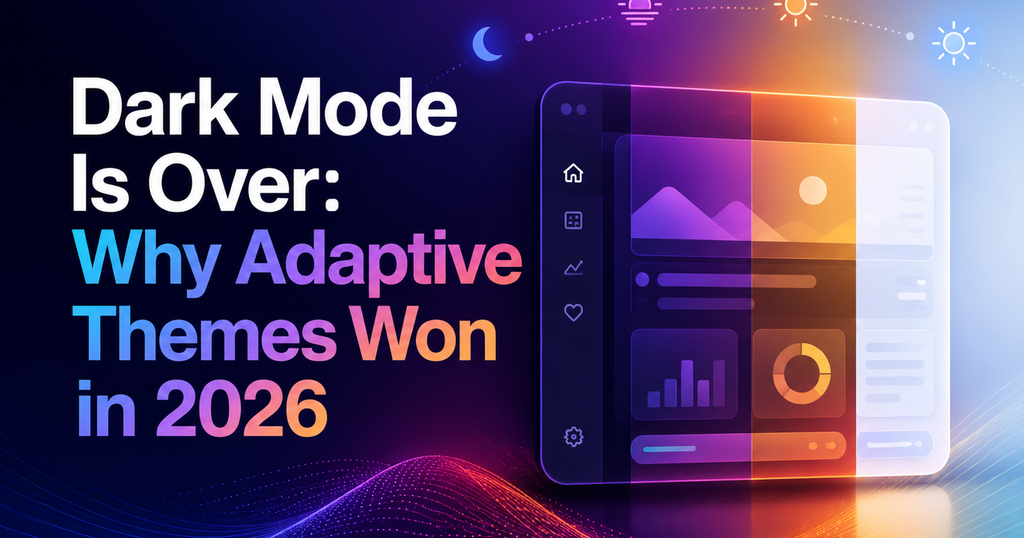
The binary dark/light toggle is being replaced by continuously-adaptive theming keyed to time, ambient light, and context. The why and the how, with CSS.
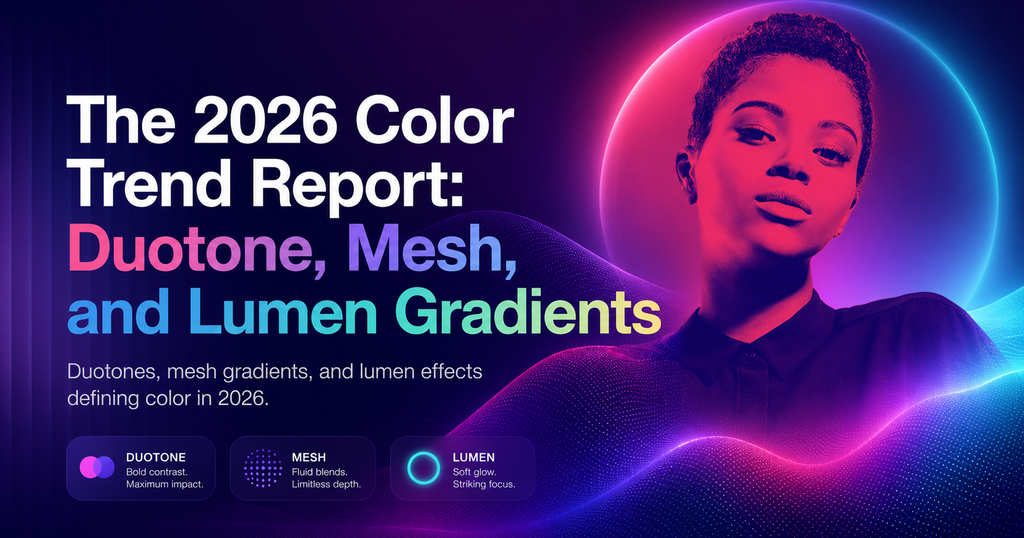
Color in 2026 is bolder, softer, and more layered than any point in the last decade. A field guide to the gradients, duotones, and lumens defining the year.

AI is wrong sometimes. The UX job in 2026 is making that visible without making users anxious. Seven concrete patterns that product teams are shipping.
A decade of sterile flat SaaS design is ending. In 2026, maximalist UI — bold type, texture, personality, color — is reshaping fintech, AI, and creator tools.
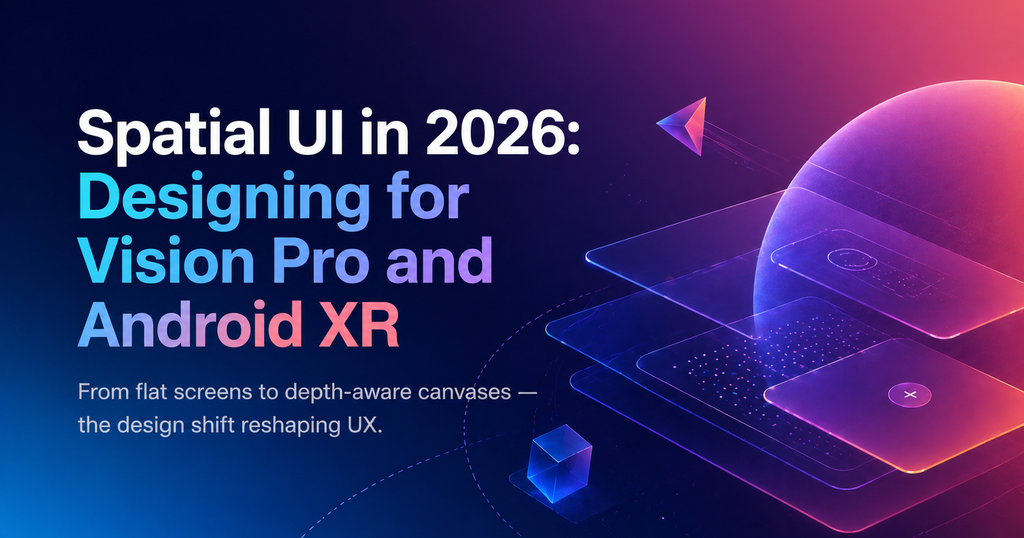
Spatial UI has moved from novelty to requirement in 2026. Here’s how to design for Vision Pro, Android XR, and the depth-aware interfaces that are leaking onto the web.
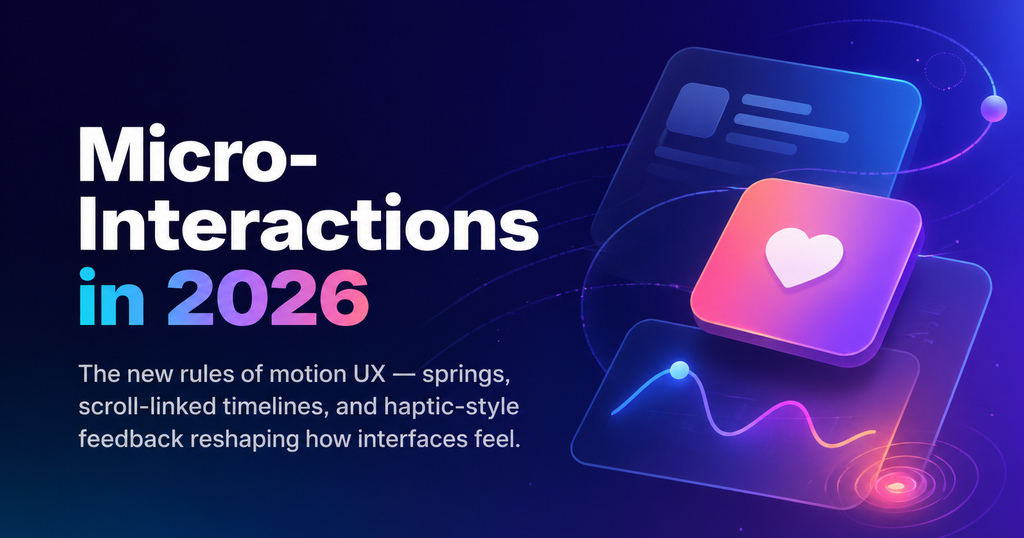
In 2026, motion replaced microcopy as the primary brand layer in UI. Here are the five micro-interaction patterns defining the year, the tools shipping them, and how to design motion without breaking accessibility or performance.